Ingredients for an 8-inch deep square pan: corn oil 95g, cake flour 115g, milk 90ml, eggs 8, white sugar 80g, lemon juice 3-5 drops, vanilla extract (optional) 2-3 drops.
Method for making traditional early cake:
Step 1: Prepare all ingredients, measure and sift 115g of cake flour.
Step 2: Heat 95g of corn oil over low to medium heat for 30-40 seconds until fine threads appear on the oil surface, which should be around 70 degrees Celsius; if no thermometer is available, judge by the state.
Step 3: Pour the hot oil into the flour and wait for three seconds before mixing evenly with a whisk.
Step 4: The batter should have a texture as shown in the image.
Step 5: Add 90g of pure milk and continue to blend, resulting in a slightly thicker batter.
Step 6: Separate the egg whites and yolks, placing the whites in a bowl without water or oil, and the yolks in the batter, stirring in a zigzag pattern with a whisk.
Step 7: After mixing the yolk batter well, it should be pourable; a few drops of vanilla extract can be added for extra flavor, but it’s optional.
Step 8: Add a few drops of lemon juice or white vinegar to the egg whites and beat at low speed until they form fish-eye bubbles.
Step 9: Add 80g of white sugar all at once, or follow the method for beating chiffon cake batter by adding sugar in three stages, beating at low speed, then medium-high speed, and finally low speed until the meringue reaches six to seven minutes of doneness.
Step 10: When lifting the whisk, a hook shape should be visible, indicating that the meringue is about six to seven minutes done.
Step 11: Take one-third of the meringue and fold it into the yolk batter, mixing evenly with a folding motion.
Step 12: Pour the mixed yolk batter into the remaining meringue and combine.
Step 13: Prepare an 8-inch mold and line it with parchment paper.
Step 14: Pour the batter from a height of 20 cm into the mold, gently tap the mold a few times, and if there are large bubbles, you can use a toothpick or skewer to pop them.
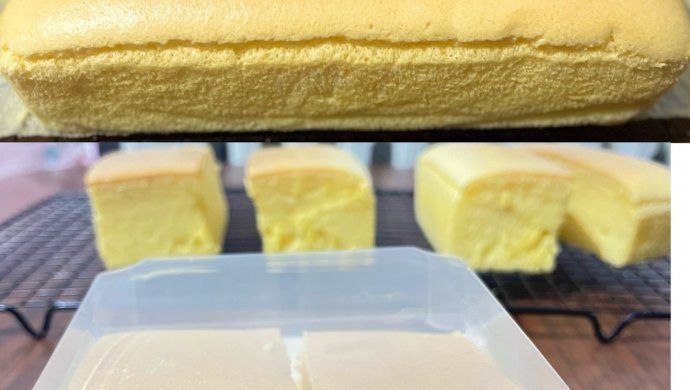
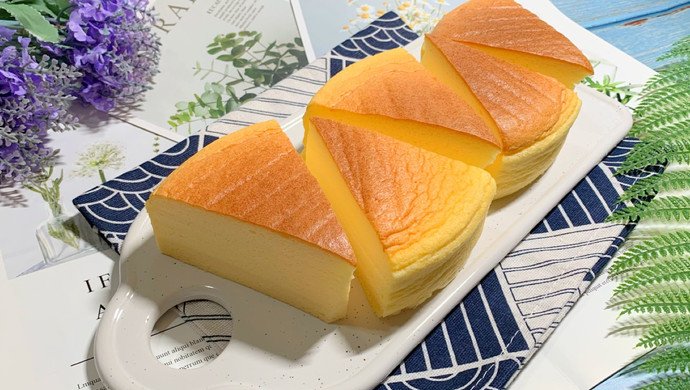
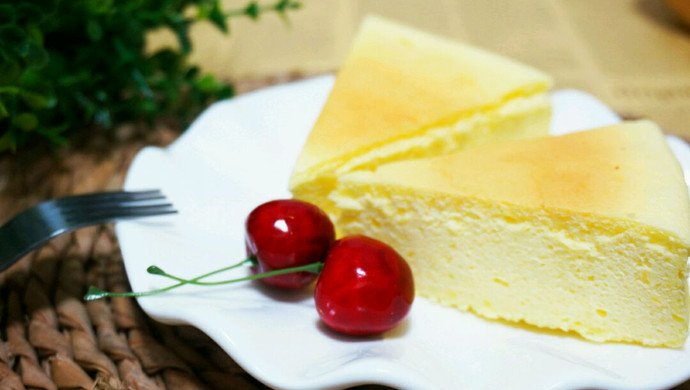
Step 15: Preheat the oven to 140 degrees Celsius for five minutes, bake using the water bath method with a baking tray containing 2 cm of hot water, place the mold in the oven (32 liters), and bake at 140 degrees Celsius for 70 minutes; the finished product should be a non-cracking, non-collapsing wobbly cake.
Step 16: This is what it looks like after baking for 40 minutes.
Step 17: After removing from the oven, vibrate to release air, demold, and cool on a rack before cutting and serving.
Step 18: The side effect, this temperature is suitable for my oven, no cracking, no collapsing.
Step 19: After cooling, cut and box the cake; my little girl was eager to eat it before it was fully cooled, resulting in an uneven cut, but the taste is already perfect!
Step 20: After cooling and boxing, it can be stored in the refrigerator for up to three days without issue.
Cooking tips for traditional early cake: My first attempt was at 150 degrees Celsius with both top and bottom heat for 40 minutes, which achieved the desired color, but covering with aluminum foil halfway through resulted in a cracked and collapsed finished product. Although it did not affect the taste, it lacked the wobbly effect. The second attempt lowered the temperature to 140 degrees Celsius with both top and bottom heat, resulting in no cracking and no collapsing.
There are techniques to making delicious dishes, and each of my recipes comes with its own little tricks. You can directly search for ‘cake’ to view my collection of recipes!
Everyone can benefit from these culinary secrets, and by searching ‘cake’, you’ll have access to my array of delightful recipes.
Discover the art of cooking with my special tips and enjoy the process of creating mouthwatering cakes.